GOVERNMENT says it has put in place measures to safeguard fuel supply in Luapula province amid looming global disruptions.
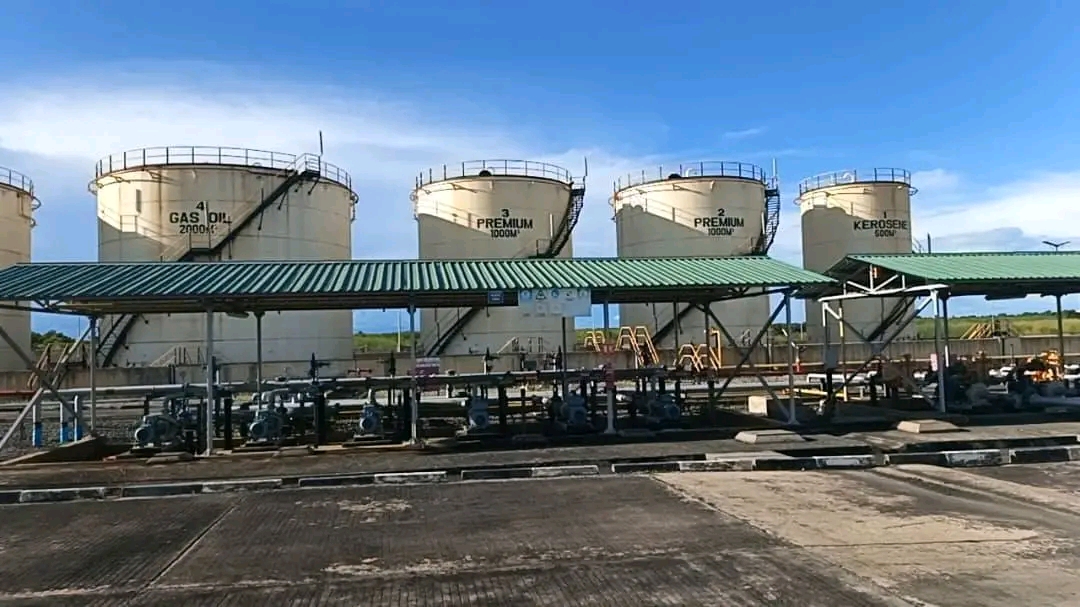
Speaking during a tour of the Mansa-Tazama Fuel Depot yesterday, Luapula Province Minister Engineer Nason Musonda said the facility is a critical strategic reserve with capacity to store up to 6.5 million litres of fuel, including diesel, petrol and kerosene.
Eng. Musonda said the depot has been positioned to ensure a stable and orderly supply of fuel in the province, especially as global supply chains face uncertainty due to geopolitical tensions affecting key fuel routes.
He noted that government is proactively exploring alternative supply mechanisms to maintain the flow of fuel and sustain economic activity.
He also said that petroleum products remain central to driving the country’s economy.
“We are satisfied with the level of preparedness at the facility and we urge Tazama Pipelines Limited to expedite remaining works, particularly the calibration of meters, to allow for commissioning by the end of next month.
“We also emphasise that once operational, the depot will have the capacity to sustain Luapula Province for over a month without fresh supply, while also reducing transportation costs as oil marketing companies will source fuel directly from Mansa instead of Ndola,” he said.
Eng. Musonda added that government, through the Ministry of Energy, intends to stockpile fuel at the facility to cushion the province against supply shocks and ensure continued economic productivity.
Meanwhile, Mansa Fuel Depot superintendent Mazimba Ng’onga said the facility comprises two diesel tanks with a combined capacity of 4 million litres, two petrol tanks holding 2 million litres, and an additional 500,000 litres for kerosene.
Ng’onga disclosed that while the depot is structurally complete, it is yet to be commissioned, with the first fuel stocks expected before the end of the second quarter of 2026.
He said that once operational, the depot will significantly enhance fuel distribution efficiency in the region.
By Sanfrossa Mberi
Kalemba March 24, 2026