A TRIO of cyber crooks who abandoned honest ways of earning a living to instead turn Artificial Intelligence into their digital forgery workshop have landed themselves in hot legal soup after being cornered by the Cyber Security Agency in Lusaka.
The suspects, identified as Cliff Tanda, Kelvin Chanda and Sepo Lukanda, joined their crooked minds to forge National Registration Cards (NRCs) and motor vehicle white books which they used to obtain money from lending companies through deception.
According to authorities familiar with the case, the trio was using AI-powered tools to manufacture convincing identification documents and vehicle ownership papers which they would later present to financial institutions.
Once armed with the forged documents, the suspects would approach financial institutions to hire motor vehicles.
But the vehicles were not for joy rides.
Investigators said the suspects would take the hired vehicles to lending companies where they would present them as collateral in order to obtain loans.
After collecting the money, the suspects left the hired vehicles behind while they quietly disappeared with the cash.
Authorities working on the case said the same suspects had also ventured into identity theft, targeting prominent individuals in order to deceive unsuspecting members of the public.
In one of their boldest moves, the suspects created a fraudulent website in the name of Finance Minister Situmbeko Musokotwane which they used to advertise fake financial support programmes promising loans and grants.
Unsuspecting victims were encouraged to sign up for the programmes and in the process submitted personal details and identification information.
But instead of receiving financial assistance, the victims unknowingly handed their identities to cyber criminals.
The stolen identities, particularly those belonging to civil servants, were later used to apply for loans from various microfinance institutions.
Investigators also discovered that the suspects used the same stolen identities to access NAPSA’s 20 percent partial withdrawals without the knowledge or consent of the rightful account holders.
The offences are believed to have been committed between January 22 and March 1, 2026 at different locations within Lusaka District.
However, the suspects’ luck started to run out when the Lusaka Division Headquarters Fraud and Cyber Crimes Unit reported the matter to the Cyber Security Agency on March 6, 2026 around 08:00 hours.
Acting on the report, the National Cyber Security investigators quickly went to work using advanced intelligence gathering techniques to track down the suspects.
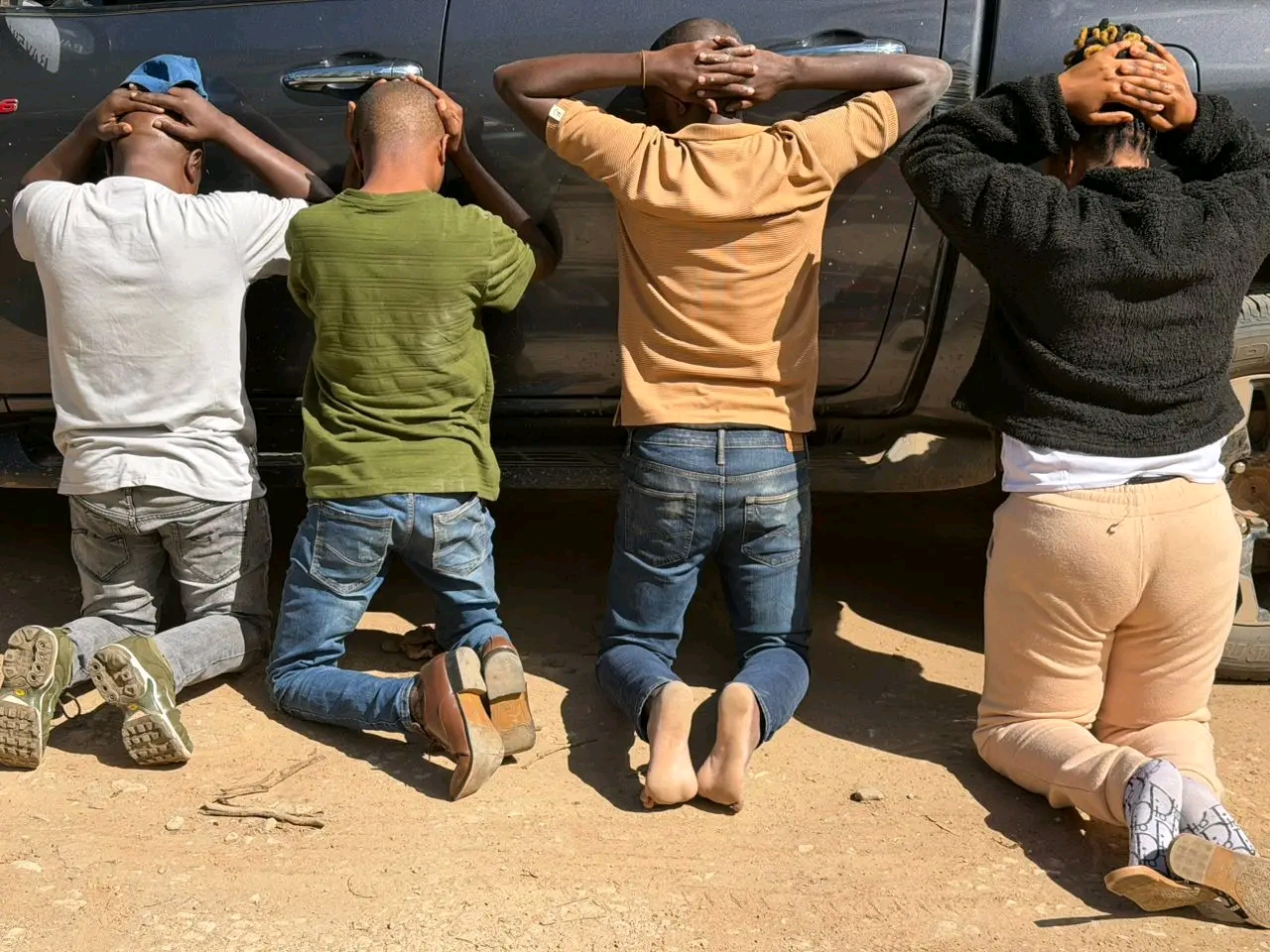
After piecing together the digital footprints, investigators eventually cornered the trio within Lusaka and pounced on them.
A search during the operation revealed six mobile phones, 36 Airtel SIM cards and one fake driving licence believed to have been used in the cyber fraud activities.
The suspects are currently cooling their heels at Lusaka Central Police Station as investigations into the matter continue.
Kalemba March 13, 2026