IMAGINE sending your child to university, only to later discover that they secretly dropped out while you continued paying tuition fees, groceries and upkeep.
You are a mother, father or guardian, proudly telling people that your child is in school, only for them to repay you with marijuana and alcohol addiction. Painful, right?
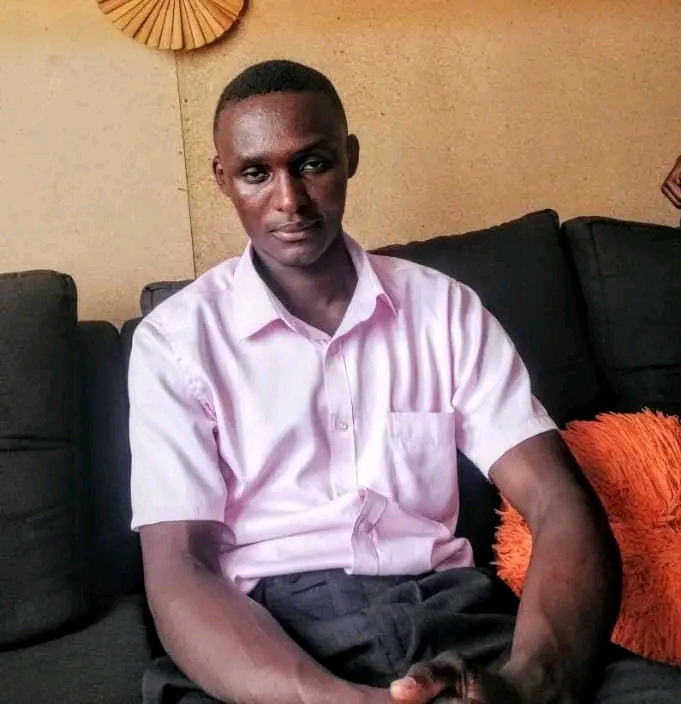
This was the reality faced by the family of 20 year old Chisengamulela Machamanda, fondly known by his peers as Macha.
Macha was just 13 in Grade 10 at Chassa Secondary School in Eastern Province when he smoked his first joint.
When he was later enrolled at the country’s number one highest learning institution, the University of Zambia (UNZA), to study medicine, he secretly dropped out for two years while his parents believed he was still attending classes.
Growing up, Macha was a bright child who often topped his class and completed secondary school at the age of 15.
However, as he entered his teenage years, he was introduced to marijuana and alcohol, a turning point that dented his image.
From being the intelligent child everyone admired in the neighbourhood, he became a junkie who could even sell his own mathematical calculator for the unchangeable 50 ngwee just to satisfy his craving for a joint.
“It was peer pressure mixed with curiosity. I was perceived as ‘a master of many trades’ and held on a certain pedestal because I seemed to know a lot. People assumed I had done it all, and because I didn’t want to tarnish that image, I participated even in the most unethical activities,” he told Kalemba.
“At that age, it seemed harmless and fun, like something everyone was experimenting with. In hindsight, there were no signs that I was using substances to cope with stress or low self-esteem. It was just for fun. Things started changing when I moved from occasional weekend use to daily use.”
For five years, Macha prioritised the ‘feeling, thrill and chill’ over responsibility. Addiction did not feel like a serious problem until the day he realised he was firmly in its grip.
“Addiction caught me unaware. I didn’t know I was addicted at first. Everything felt normal because every time I consumed marijuana, I felt better. For me, that became normal, and I wanted to feel that way every hour,” he said.
He explained that his marijuana addiction later escalated into dependency on prescription pills just to feel sane.
“It disrupted everything. I unofficially dropped out of university, strained family relationships and finances, and isolated myself from healthy friendships. My daily life became chaotic, focused on obtaining and using substances rather than building a future,” he said.
“Yes, many times I promised myself and others that I would stop. I even tried briefly, but the cravings and withdrawal made it feel impossible to do it alone. That’s when I learned that addiction is a disease that requires real help.”
After five years of substance dependence, Macha said his fear of God and fear of losing his life pushed him to seek change through deep self reflection.
“I never went to rehab. I wanted to be healthy, present and proud of myself again. So I sat myself down and scrutinised my life, how I was living, what was working for me and what was working against me. I became honest with myself and chose long-term healing over short-term pleasure, even when it meant sacrificing relationships,” he said.
Macha realised he had to let go of many things for his life to turn out the way he desired.
“Once I committed to that journey, it felt like the world started working in my favour. Earlier this year, I met a fellow former addict through a mutual friend. One conversation led to another, and eventually to productive engagements that helped strengthen my decision,” he said.
Today, Macha is six months sober and part of a group called Reclaimed Lives, where he helps peers struggling with addiction, recovery and mental health.
He is also back at UNZA in his second year, studying his dream programme, Medicine.
“My advice to anyone struggling is this: you are not alone, and recovery is possible — one day at a time. You cannot do it alone; reach out for help. Be honest with yourself. Don’t care about what people say. Do it for you. Admitting that you need help is the bravest step. There is a fulfilling life waiting, and Reclaimed Lives is the safe space you need,” he said.
To parents and guardians, Macha advised open communication, education and early intervention.
“Talk openly about underlying issues, educate children on the risks and intervene early. Model healthy coping mechanisms, watch for warning signs, and always approach with love, not shame.”
Macha is the second born in a family of five and was born in Kitwe on June 10, 2005.
He thanked his family for remaining supportive throughout his recovery journey.
By Catherine Pule
Kalemba, December 25, 2025